Renting & rights · Moving home
Handing back a home after decades: what you actually owe
After 30 years in the same apartment almost everything is written off. How the useful-life table works, what counts as normal wear, and when the deposit must be released.
Published 28 July 2026· Updated 10 September 2026· 4 min read· Article as Markdown
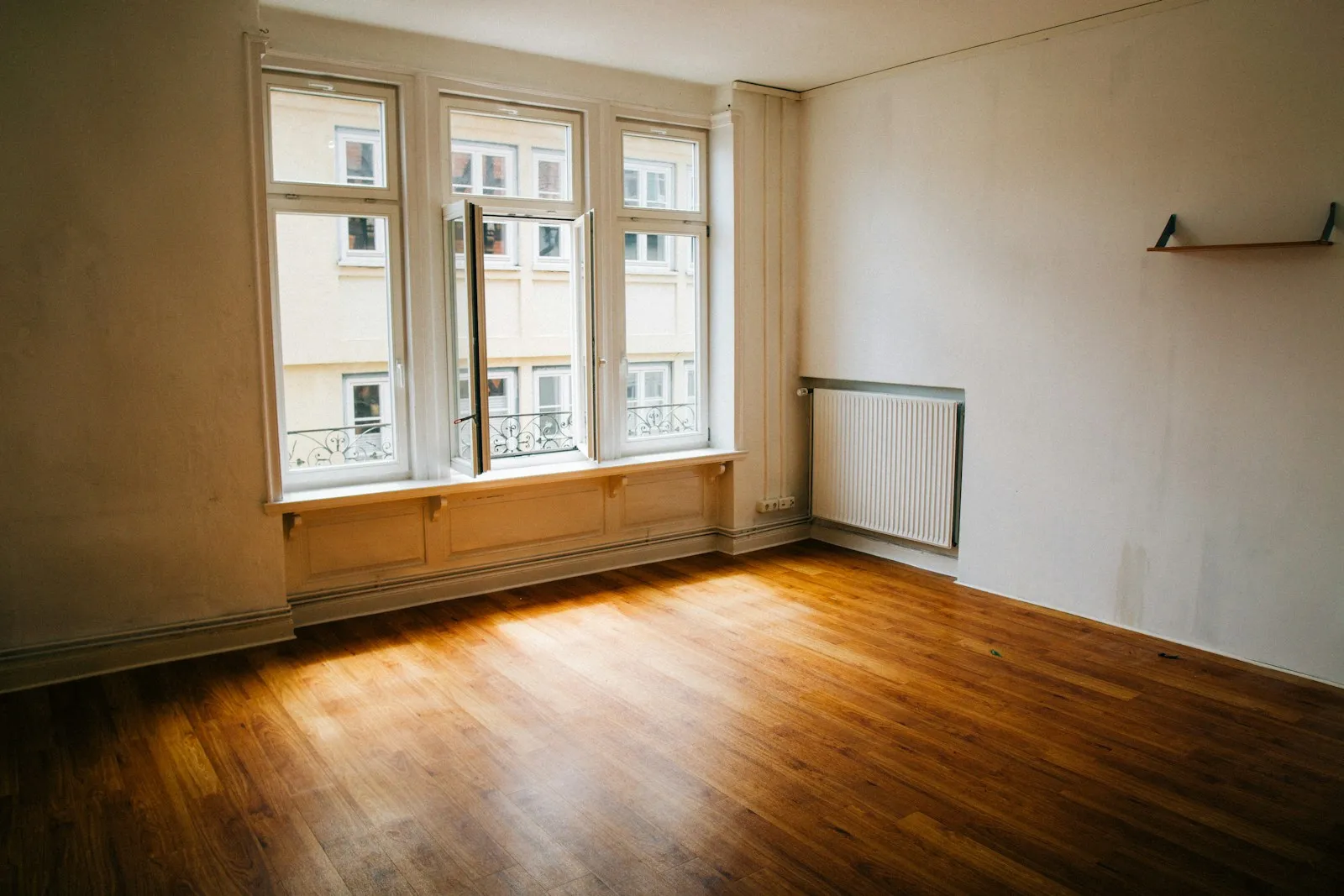
After decades in the same apartment the handover is usually less dramatic than people fear – because time works in your favour. Kitchen, floors, paintwork and appliances have a limited useful life; once it has elapsed they are fully amortised and you owe nothing for them, even if they visibly look used. Three things matter: a careful handover report, knowing the useful-life table, and the deadline for the deposit.
Why a long tenancy reduces your liability
In a dispute the joint useful-life table published by the tenants’ and homeowners’ associations serves as the benchmark. It gives a customary useful life for each building element, and your liability follows from the residual value.
An example: an element with a ten-year useful life is damaged after eight years. You owe two tenths of its current value – not the replacement price. Once the useful life has elapsed, you owe nothing at all, even for genuine damage.
After thirty years in the same property that generally means: the paintwork is written off, the carpet is written off, the kitchen appliances are written off. What remains are at most elements renewed in the meantime – and wilful damage, which usually does not exist.
So if you receive an invoice for a complete kitchen replacement, the first question is the year of installation.
Normal wear: what you are never liable for
Normal wear arises from use in accordance with the contract. It includes:
- light shadows on walls and ceilings
- wear paths in carpets and floor coverings
- a usual number of picture hooks and wall plugs
- surfaces gone matt, plastics yellowed
- ordinary marks on handles and fittings
You are not liable for these. Only actual damage must be made good: a burn hole, a crack in the ceramic hob, a wrenched-out cupboard, water damage through carelessness.
The line does not run at «looks used» but at «goes beyond use in accordance with the contract». After forty years of living somewhere, a home looks like forty years.
The handover report: the hour that decides everything
Without a report, a dispute becomes one word against another. With one, the landlord can only assert damage they can attribute to you.
How to go about it:
- Schedule in daylight. You see more in the early afternoon than in the evening.
- Empty and clean beforehand – including cellar, attic and balcony.
- Go room by room: floors, walls, ceilings, windows, doors, kitchen appliances, bathroom, balcony.
- Note every disputed point individually – precisely, dated, ideally with a photo.
- Ask for the year of installation as soon as an element is raised. Have the answer recorded in the report.
- Sign only what you have read and understood. You may dispute individual points and have that noted.
- Take a copy with you. It is yours.
If you cannot or would rather not do this yourself, be represented – by a child, a trusted person or a professional, with a written power of attorney. The cantonal tenants’ association offers an accompanied handover in many regions. Where the move is for health reasons, that is often the calmest solution.
The deposit: when you get your money back
The law sets no fixed deadline for release. A few weeks to a few months is usual – for instance until damage is quantified or the service charge statement drawn up.
The hard limit is in Art. 257e of the Code of Obligations: at the latest one year after the tenancy ends you can demand payment directly from the bank, provided the landlord has not legally asserted claims. «Legally asserted» means debt enforcement or court action, not merely a letter.
The rental deposit sits in an account in your name. It is your money – the landlord merely has a say in its release.
When the move is for health reasons
Two things often coincide here and belong apart:
Clearing the home is not part of the handover but usually takes considerably longer. After decades, allow several months. What that involves is covered in the guide on moving to a senior apartment.
The notice itself has formal requirements: at least three months to a customary termination date, and for a family dwelling both spouses or registered partners must sign – even if only one person is moving out. This requirement is frequently overlooked.
On a death, the tenancy passes to the heirs. They can terminate it to the next date observing the statutory notice period. Clarify this with the management early – many are accommodating in that situation.
Summary
- After a long tenancy most of the fittings are written off – and you owe nothing for written-off elements.
- Ask for the year of installation on every disputed item and have the answer recorded.
- Normal wear never has to be made good, even where the home visibly looks used.
- The handover report is the one hour that decides whether months of argument follow.
- At the latest one year after the tenancy ends you can claim the deposit directly from the bank (Art. 257e).
- Be represented if the handover is too much – a written power of attorney is enough.
Frequently asked questions
Do I have to repaint after 30 years?
Usually not. Paintwork has a limited useful life in the joint useful-life table; once that has elapsed the decoration is fully amortised and you owe nothing for it. That holds even if the walls have visibly darkened – that is normal wear.
What counts as normal wear?
Everything arising from use in accordance with the contract: light shadows on walls, wear paths in carpet, a usual number of picture hooks, surfaces that have gone matt. You are not liable for these. Only actual damage must be made good – a burn hole, a crack in the hob, a wrenched-out cupboard.
How does the useful-life table work?
The joint table published by the tenants' and homeowners' associations gives a customary useful life for each building element. Your liability follows from the residual value: if an element with a ten-year life is damaged after eight years, you owe two tenths of its current value. Once the life has elapsed, you owe nothing.
When must the deposit be released?
The law sets no fixed deadline; a few weeks to a few months is usual, for instance until damage is quantified or the service charge statement is drawn up. At the latest one year after the tenancy ends you can demand payment directly from the bank, provided the landlord has not legally asserted any claims (Art. 257e of the Code of Obligations).
What belongs in the handover report?
The condition of every room: floors, walls, ceilings, windows, doors, kitchen appliances, bathroom, balcony, plus cellar and attic. Every defect is noted individually, precisely and with a date, ideally with photos. Both parties sign and each receives a copy. Sign only what you have read and understood.
Who can handle the handover if I cannot manage it myself?
You can be represented – by a child, a trusted person or a professional. A written power of attorney is sensible. The cantonal tenants' association offers accompanied handovers in many regions; where the move is for health reasons, that is often the calmest solution.
Related guides

Moving home
Moving to a senior apartment: checklist with deadlines
From notice to move-in: a six-month timeline, deadlines for the municipality, compensation office and home-care service – and why clearing the old home takes longest.
6 August 2026 · 5 min read

Renting & rights · Assisted living
Service charges in a senior apartment: checking the statement
Service charges, care package fee, extras: three items governed by three different sets of rules. What you owe, what you may inspect, and where the common errors hide.
3 August 2026 · 5 min read

Renting & rights
Challenging a rent increase: your rights in a long tenancy
Reference rate, renovation surcharge, official form: how to check an increase, challenge it free of charge within 30 days – and what else helps on a fixed pension.
21 July 2026 · 5 min read